

The Tyranny of Small Decisions: Why hyper-realism fails the algorithm but wins the archive.
In the churning ocean of the Steam marketplace, success is often measured by immediate legibility. If a player cannot grasp the core loop within sixty seconds of a trailer, the algorithm demotes the title to the lightless depths of the "New Releases" sediment. Yet, it is within these forgotten strata that we find the most daring indie developer interviews and game design analysis.
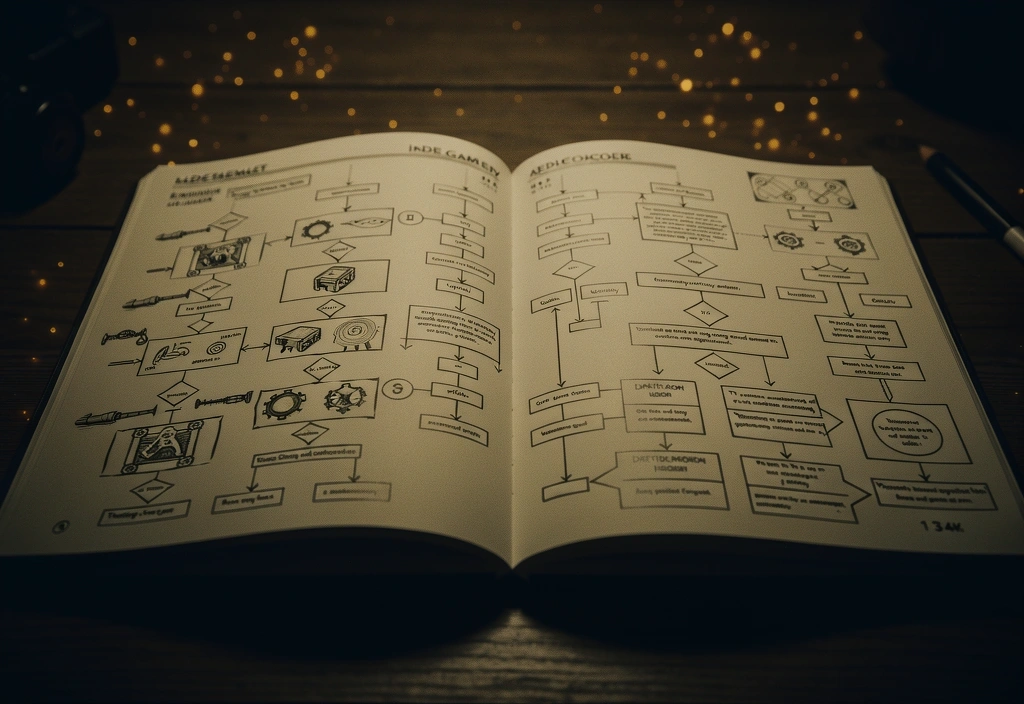
Take, for instance, the work of M. Kovic. His latest title, a simulation of antiquated boiler maintenance, features a pathfinding paradox that mainstream publishers would consider a bug. In Kovic's world, the character's inability to navigate tight corners without checking steam pressure first is the narrative. It is a friction-driven design that demands mechanical mastery over superficial entertainment.
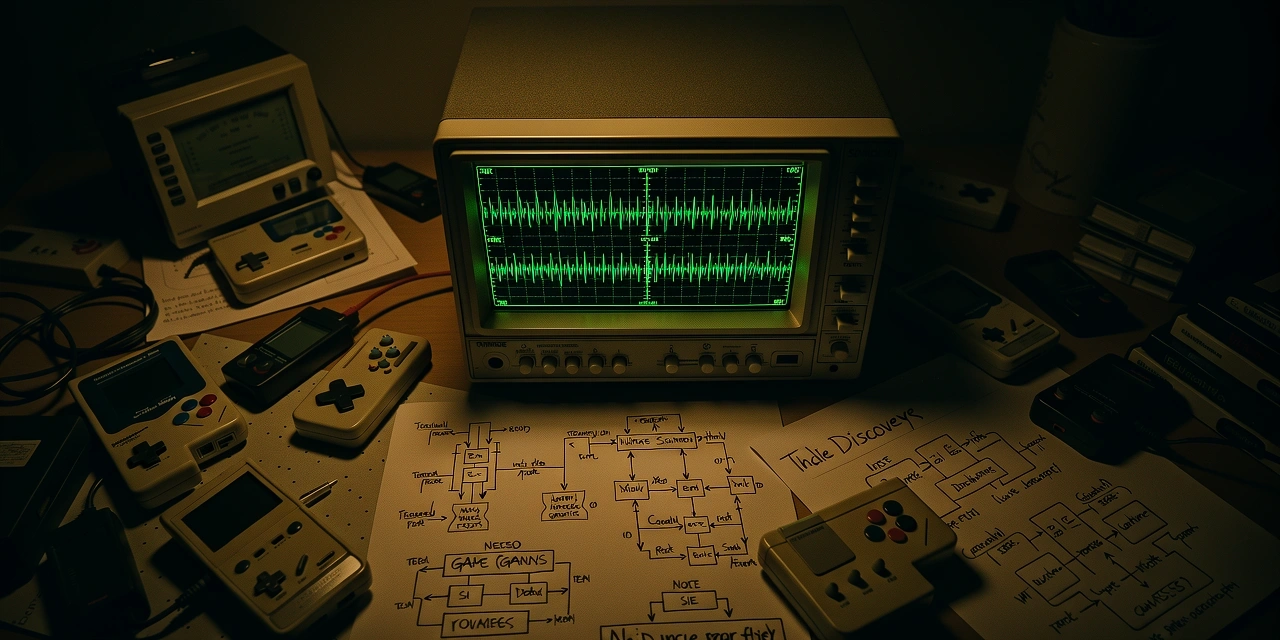
Our technical breakdown of the code reveals a commitment to soundscape layers rarely seen in high-budget titles. Each valve turn triggers a uniquely sampled analog hiss, recorded in a decommissioned power plant in Munich. This is not "fun" in the traditional sense; it is an exercise in atmospheric fidelity—the auditory equivalent of a technical manual.
"We don't talk about 'fun'; we talk about logic. A machine does not care if you are enjoying yourself—it only cares if the sequence is correct."
— Developer Spotlight: Kovic